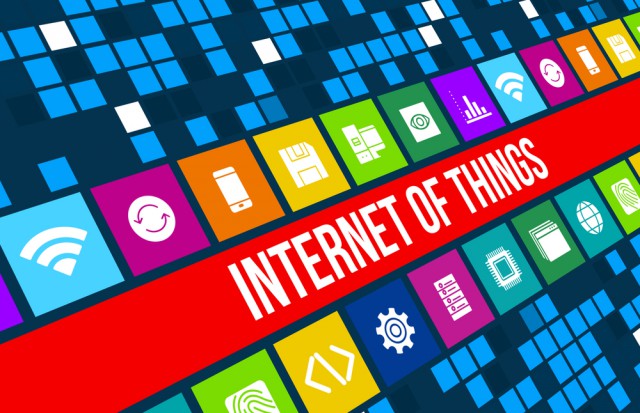


Internet of Things (IoT) is not just about connected devices, but it is more in connection with data storage. As our experts predict that 50 billion devices will be connected by 2020, it also brings with it a great deal of challenges and the major one is data. IoT machines perform a wide line of duty which could be as simple as capturing and uploading images on social platforms or transmitting more complex data to organization’s different hardware components.
IoT data storage
There is more data to locate than you think and the data generated is usually categorized in two different types. The first type is large-file data that includes images and videos generated from smartphones, digital cameras and related devices, while the second type is small data, say, sensor generated log-file data. These small sensors is capable of developing billions of files that should be accessed randomly.
Previously, it was such that a datacenter would store only one of these data types, so they were mainly involved with capturing image-based data. But with the change in the IT landscape and innovation in the sector, datacenter servers now have to deal with both types of data and managed both on different storage systems. With all that, we’ve also seen a considerable change in data storage such as image-based data that was usually stores on NAS systems is being moved to object-based storage, while sensor data is moved to all-flash arrays for faster analytics.
Data security
There are a variety of IoT devices and each one is designed and assigned a set of task, say, a health tracker is responsible of gathering health records such as heartbeat, number of steps, sleep pattern and so on. As a matter of fact, this device will generate a good amount of data as it will give you the health records and requires protection. Data produced from these connected devices also has an influence on data protection. Data protection is even more crucial than it for more legacy types data because there are certain data that can never be recreated and thus demands better security.
What data to keep and what to get rid of?
It all depends on what you need and what you’re ready to dump. As aforementioned, your devices will generate an extensive amount of data and you have to choose which needs to stay. For instance, smartphone users need to decide what images and videos they should keep and what could be erased permanently. Similarly, organizations need to make a decision and think this through, but the decision should be made on long-term basis. This means that you avoid erasing data that you would have required for in future for reference. Most organizations might require that additional set of data that could be used for other services to make a difference in the future.
For more information contact:
Web Werks is an India-based CMMI Level 3 Web Hosting company with 5 carrier neutral data centers in India and USA. Started in 1996, Web Werks has served several Fortune 500 companies with successful projects in the areas of Web Hosting, Data Center Services, Dedicated Servers, Colocation servers, Disaster Recovery Services, VPS Hosting Services, and Cloud Hosting.
Web Werks India Pvt. Ltd.
+91 8828335555
www.webwerks.in

















No Comments